Free Will Handwritten Font Review: A Modern Script for Brand Identity
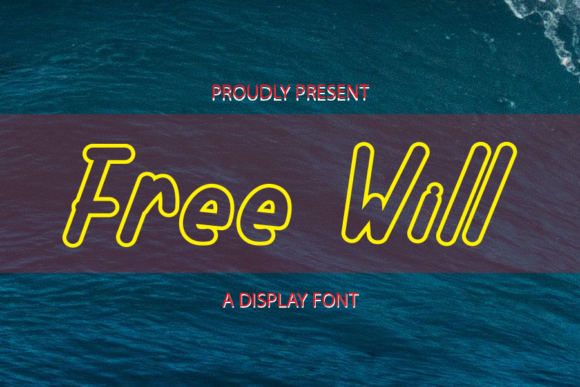
I remember staring at a blank Figma board, trying to breathe life into a sleepy boutique skincare brand. The client wanted something that felt personal but not messy, modern but not cold. I had tried the usual suspects—stiff geometric sans-serifs and overly ornate calligraphy scripts—but nothing clicked. Then I dropped Free Will onto the canvas. It was like the design finally exhaled. This Script Handwritten typeface brought exactly the right amount of quirk and cleanliness to the table, transforming a generic layout into a cohesive visual story almost instantly.
If you are a graphic designer or brand creator looking for a font that bridges the gap between professional polish and creative flair, this review breaks down how Free Will performs in real-world applications. From logo drafts to social media assets, here is my honest take on why this font deserves a spot in your typography toolkit.
Free Will for Logo Design and Brand Identity Systems
When I first tested Free Will as a potential primary typeface for a local café’s rebrand, I was skeptical. Handwritten fonts often struggle with legibility at small sizes or when scaled up for signage. However, Free Will surprised me. Its clean lines and slightly quirky character shapes give it a distinct personality without sacrificing clarity. In logo design, where every pixel counts, the font’s modern style ensures that the mark remains recognizable whether it is printed on a tiny coffee cup sleeve or displayed on a large storefront window.
The versatility of this script font makes it an excellent choice for building a consistent brand identity. I used it alongside a neutral sans-serif for secondary information, creating a beautiful contrast that guides the viewer’s eye. The handwritten aesthetic adds warmth and approachability, which is crucial for brands wanting to connect emotionally with their audience. Whether you are designing a business card, a website header, or a full brand board, Free Will provides a strong foundation that feels both intentional and effortless.
Free Will in Packaging Design and Product Labels
Packaging is where a font truly earns its keep. During a project for a handmade soap shop, I needed a label that stood out on crowded shelves while maintaining a premium feel. Free Will delivered. The font’s natural flow mimics the look of hand-lettering, which resonates deeply with consumers who value artisanal and crafty products. When applied to product labels, the text doesn’t just sit there; it interacts with the packaging materials, adding texture and depth to the overall design.
One of the standout features of Free Will is its ability to handle short phrases effectively. For packaging, you rarely need long blocks of text, so the font’s decorative nature shines. I found that using it for the product name created an immediate focal point, while pairing it with a simple serif font for ingredients and descriptions maintained readability. This combination works particularly well for skincare, bakery items, and gift boxes, where the visual appeal is just as important as the product itself. The clean execution of the letters ensures that even intricate designs don’t become cluttered or hard to read.
Free Will for Social Media Graphics and Digital Content
In the fast-paced world of digital marketing, grabbing attention within seconds is essential. That is where Free Will excels. I recently incorporated this handwritten font into a series of Instagram posts for a creative studio’s portfolio launch. The slight quirks in the letterforms caught the eye of scrollers, making the static images feel more dynamic and engaging. Because the font has a modern style, it fits seamlessly into contemporary design trends without looking dated or overly trendy.
Social media graphics often require quick adjustments and varied layouts. Free Will’s flexibility allows designers to play with alignment, spacing, and size to create visually interesting compositions. I used it for quotes, announcements, and promotional banners, finding that it added a human touch that sterile sans-serifs often lack. When paired with bold colors or minimalist backgrounds, the script becomes the star of the show. For content creators and marketers, this means higher engagement rates and a more cohesive feed aesthetic. The font’s ability to convey personality quickly makes it an invaluable asset for any digital-first brand.
Free Will in Crafty DIY Projects and Print Materials
While many digital-focused reviews overlook print, Free Will is equally impressive in physical formats. I tested the font on various paper stocks for a set of wedding invitations and event flyers. The handwritten style lent itself perfectly to the romantic and celebratory mood of the events. On matte paper, the ink absorbed nicely, highlighting the subtle variations in stroke width that give the font its charm. For crafty DIY projects, such as custom stickers, tags, or greeting cards, Free Will offers a professional finish that elevates homemade goods.
For hobbyists and small business owners selling on platforms like Etsy, having access to a high-quality commercial font can make a significant difference in perceived value. Free Will allows you to create polished designs that look custom-made, even if you are working on a tight budget. The font’s clean structure ensures that text remains readable even when printed in smaller sizes, which is useful for detailed instructions or ingredient lists on handmade products. Just be mindful of the background color and contrast to ensure optimal legibility.
Practical Tips for Using Free Will Effectively
To get the most out of Free Will, consider it primarily as a display or headline font rather than a body text solution. Like most Script Handwritten typefaces, it is best used for short phrases, titles, and accents. When pairing it with other typefaces, opt for simple, neutral fonts that do not compete for attention. A clean sans-serif or a classic serif works beautifully to balance the whimsical nature of Free Will. Always test your combinations in grayscale first to ensure good contrast and hierarchy.
Before committing to Free Will for a final client project, I recommend downloading a trial version and experimenting with different weights and styles if available. Pay attention to how the font behaves at various sizes and on different media. Check the included file formats and licensing terms to ensure they align with your intended use, whether that is for web design, print-on-demand merchandise, or corporate branding. By taking the time to understand the font’s strengths and limitations, you can leverage Free Will to create stunning, memorable designs that resonate with your audience.