Chiang Mai Handwritten Font for Boutique Branding and Printables
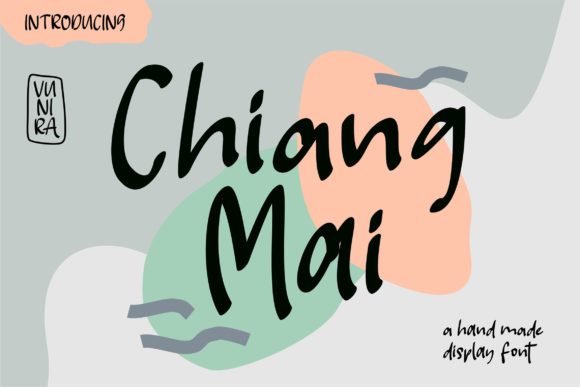
I was staring at a blank canvas on my screen, trying to decide between three different script options for a new line of soy candle labels. The wax was poured, the wicks were centered, but the branding felt flat. It lacked that personal touch that makes a customer stop scrolling and click "Add to Cart." That’s when I pulled up Chiang Mai, a cute, trendy and neat handwritten font. Its natural and unique style makes it incredibly fitting to a large pool of designs, and suddenly, my mockup had a soul. As a maker who spends hours perfecting product tags and digital downloads, finding a typeface that bridges the gap between professional polish and approachable charm is essential. This isn't just another decorative asset; it is a versatile tool that elevates everything from wedding stationery to seasonal sticker sheets.
Chiang Mai for Candle Labels and Product Packaging Design
When you are designing physical products like candles, soaps, or boutique goods, the label is often the first thing a buyer touches. Chiang Mai brings an immediate sense of warmth and artisanal quality to packaging design. Because it is a Script Handwritten font, it mimics the flow of real penmanship without being overly ornate or difficult to read. I used it to draft names for my lavender-vanilla blend, and the clean lines kept the text legible even at smaller sizes. For small stickers and product tags, readability is king. If your customers have to squint to read the scent name or ingredients, they might put the item back. Chiang Mai strikes a balance where it feels custom-made but remains accessible. It works beautifully on kraft paper textures, glossy white labels, and even embossed cards, adding a layer of perceived value to your handmade items.
Chiang Mai for Wedding Invitations and Elegant Stationery
Wedding stationery requires a delicate balance of elegance and personality. Traditional calligraphy can sometimes feel too formal or stiff, while casual scripts can look unprofessional. Chiang Mai sits perfectly in the middle. I tested this font on a digital wedding invitation suite, pairing it with a soft watercolor background. The neatness of the handwriting gave the design structure, while the handwritten style added intimacy. It is ideal for addressing envelopes, writing save-the-dates, or creating welcome signs for reception tables. When you use Fonts like Chiang Mai for editorial design projects such as invitations, you signal to your clients that you understand modern typography trends. It pairs exceptionally well with simple serif fonts for body text, allowing the headline to pop while maintaining a cohesive brand identity throughout the entire stationery set.
Chiang Mai for Printable Wall Art and Home Decor
For printable creators, wall art needs to be visually striking yet easy to digest from a distance. I created a series of farmhouse-style quotes using Chiang Mai, and the results were stunning. The font’s natural flow allows short phrases, names, and titles to become the focal point of the design. Whether you are making nursery prints, kitchen quotes, or motivational posters, this typeface adds a cozy, lived-in feel to the artwork. It works particularly well in black and white monochromatic schemes or when paired with muted earth tones. Because it is a creative font that doesn’t compete with other graphic elements, it leaves plenty of room for illustrations, borders, or floral accents. Makers selling on platforms like Etsy often find that their listings with clear, stylish typography get more clicks because the preview image looks polished and professional.
Chiang Mai for Digital Downloads and Planner Pages
If you sell digital templates, such as planners, journals, or social media graphics, consistency is key. Chiang Mai serves as an excellent display font for headers and section dividers. I used it to design a weekly planner layout, using it for the day names and key task headings. The neatness ensures that users can quickly scan their schedules without visual clutter. When designing for digital screens, legibility is crucial. Unlike some overly swashy scripts that lose clarity on mobile devices, Chiang Mai maintains its shape and intent. It is also fantastic for creating branded assets for small business owners who want to offer freebies or lead magnets. By including this font in your design kits, you provide value to buyers who want to create cohesive brand materials without hiring a designer.
Chiang Mai for Cricut Projects and Physical Merchandise
For crafters using cutting machines like Cricut or Silhouette, font choice dictates how well a design cuts and adheres. Chiang Mai’s structured strokes make it highly suitable for vinyl decals on mugs, shirts, tote bags, and signs. The curves are smooth enough to cut cleanly without excessive weeding time, which saves hours during production. I applied it to a set of holiday tags for gift wrapping, and the crisp edges held up perfectly against textured paper. When transferring designs to physical merchandise, such as embroidered patches or screen-printed t-shirts, the font’s moderate thickness ensures it reproduces well across different materials. It avoids the pitfalls of ultra-thin lines that might break or fade after washing. This versatility makes it a staple in any crafter’s library for commercial craft sellers looking to expand their product range.
Font Pairing and Technical Considerations for Makers
To maximize the impact of Chiang Mai, consider how it interacts with other typefaces. It pairs naturally with a clean sans serif font for secondary information, such as descriptions or disclaimers, creating a modern hierarchy. You can also mix it with a bold display font for contrast in promotional graphics. Before purchasing or downloading, always check the included styles, alternates, ligatures, and swashes. These features allow you to customize the look of words, adding unique flair to logos or monograms. Ensure the file formats support your software, whether you are using Adobe Illustrator, Canva, or Procreate. Additionally, verify multilingual support if you plan to serve international customers. Most importantly, review the commercial font licensing terms. Understanding whether you can use the font for unlimited physical products, templates, or printables protects your business and ensures ethical use of design assets. By treating your typography as a core part of your brand identity, you create products that resonate emotionally with your audience and stand out in a crowded marketplace.